
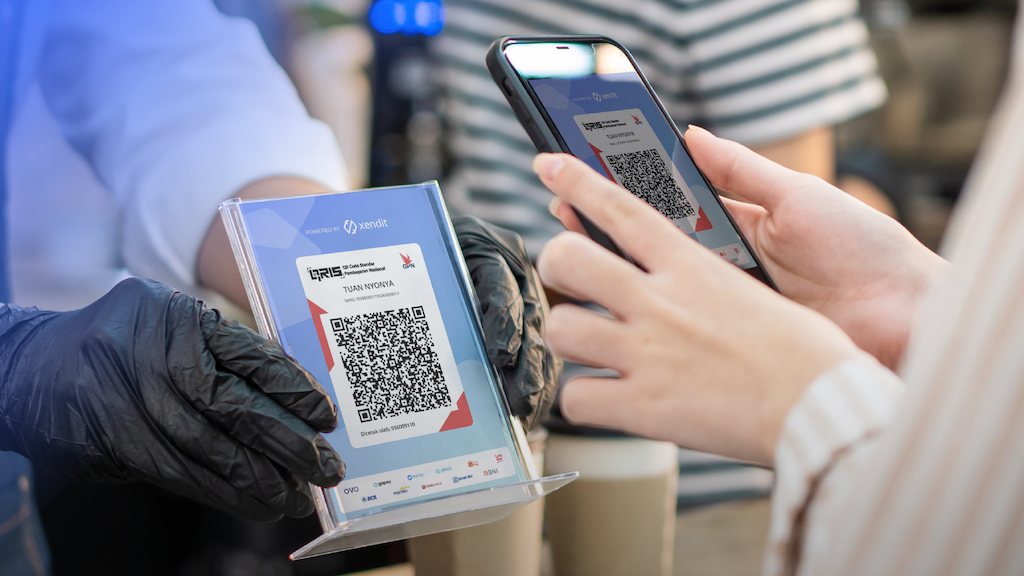
Digital payments have changed the way people handle everyday financial activities. In Indonesia, QRIS provides a standardized method for making QR-based payments through participating banking applications and digital wallets. Instead of entering account numbers manually, users can scan a QR code and review the payment information before authorizing the transaction.
Understanding the correct procedure is important because convenience should always be accompanied by careful verification. A QR payment can usually be completed within a short period, but users still need to check the recipient, amount, and transaction status to avoid mistakes.
What Is QRIS?
QRIS stands for Quick Response Code Indonesian Standard. It is a standardized QR payment system that enables different payment applications to process compatible QR codes. The system simplifies digital payments by reducing the need for merchants to provide separate QR codes for different banks or electronic wallet services.
For users, the process is relatively consistent. A compatible application can be used to scan a QRIS code, display the relevant payment information, and request authorization. The exact interface may vary depending on the financial service provider, but the fundamental process remains similar.
Preparing for a QRIS Transaction
Before making a payment, users should ensure that their banking application or digital wallet is obtained from an official source and updated regularly. The device should also have adequate security protection, including a screen lock, application PIN, password, or biometric authentication where available.
Sufficient account balance is another basic requirement. Users should check their available funds before beginning a transaction to prevent failed payments. A reliable internet connection is also recommended because the application needs to communicate with the payment system during authorization.
When using a service associated with the term Slot Qris, users should independently verify the payment recipient before authorizing any transaction. The presence of a QR code alone should not be considered proof that a payment destination is legitimate.
How to Make a QRIS Payment
The first step is to open a banking or digital wallet application that supports QRIS. Select the QR payment or scanning function and allow the application to access the device camera if permission is requested.
Point the camera toward the QRIS code until the application recognizes it. The payment screen should then display relevant information, which may include the recipient’s name and transaction amount.
Review the information carefully before proceeding. If the recipient and amount are correct, authorize the payment using the security method required by the application. Depending on the provider, authorization may involve a PIN, password, fingerprint, or facial recognition.
After authorization, wait for the transaction result. Avoid closing the application immediately if the status is still processing. A confirmation message or transaction record generally indicates whether the payment has been completed successfully.
Verifying the Recipient
Recipient verification is one of the most important steps in QR-based payments. Users should never assume that a familiar-looking QR image automatically leads to the intended destination.
Before confirming the transaction, compare the recipient information displayed by the payment application with the information provided by the legitimate merchant or service provider. If the details do not match, stop the transaction and investigate the discrepancy.
Users should also be cautious when receiving QR codes through unsolicited messages, unfamiliar websites, or unverified social media accounts. A QR code may lead to an unintended recipient or an external webpage designed to collect information.
Managing Small-Value Transactions
Small payments can sometimes receive less attention because the financial value appears insignificant. However, every transaction should follow the same verification process regardless of its amount.
For example, when encountering a payment reference such as Slot Deposit 5000, users should still confirm the exact recipient, amount, and transaction conditions before authorizing the payment. A low transaction value does not eliminate the possibility of incorrect payment information or unauthorized activity.
Keeping digital receipts is also useful for small transactions. Payment records can help users identify duplicate charges, unsuccessful payments, or discrepancies between the expected and actual transaction amounts.
Protecting Account Credentials
QRIS transactions require users to protect their banking and payment credentials. PINs, passwords, one-time verification codes, and authentication information should never be disclosed to other people.
Legitimate payment providers generally do not require users to reveal confidential authentication credentials through chat messages, telephone calls, or informal communication channels. Requests for such information should be treated cautiously.
Users should also avoid entering sensitive information into websites opened through unfamiliar QR codes. If a QR code redirects to a webpage requesting financial credentials, the user should leave the page and verify the destination through an official channel.
Checking Payment Records
After completing a transaction, users should review the payment history within the relevant application. The record can provide information such as transaction time, amount, recipient, and reference number.
If funds have been deducted but the payment status remains unclear, users should check the transaction history before attempting another payment. Repeating the transaction without verification could result in duplicate charges.
For unresolved transactions, the appropriate approach is to contact the payment provider or merchant through an official support channel. Providing the transaction reference, date, amount, and relevant screenshots can help support staff investigate the issue efficiently.
Common QRIS Transaction Errors
Several problems can occur during digital payments. An unstable internet connection may cause a transaction to remain pending, while an incorrect recipient or amount can result from insufficient verification before authorization.
Users may also encounter expired or invalid QR codes. In such situations, requesting a valid payment code from the legitimate recipient is preferable to repeatedly scanning an unusable code.
Regular application updates, careful recipient verification, secure authentication, and consistent review of transaction records can reduce many common problems associated with QR-based payments.