
Alpine architecture is more than merely admiring a beautiful chalet or wandering cobbled streets through picturesque villages. It’s an appreciation of one of Europe’s most historical natural wonders and the adaptations made to – and from – it. From roof pitch to material considerations, this article explores everything integral to alpine architecture being one of the most recognizable and respected cultural components of mountain living. For centuries, residents of the Alps have effectively known how to reside based on geographical patterns when it comes to building and landscape, and the intended placement of everything from furniture to farms within small quarters denotes a collaborative effort with mother nature and each other for an optimal quality of life in potentially one of the most rigorous climates. Thus, alpine architecture goes beyond the obvious appeal of chalets through historical respect and geographical awareness for the people who’ve called this region home for so long.
Chalets Inspired by the Harsh Weathers of Mountains in Winter
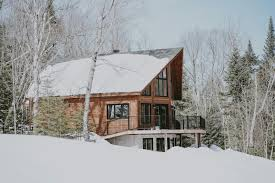
One of the most iconic images in all of Alpine culture is the image of the chalet. Originally constructed as farmhouses or seasonal dwellings for herders, chalets are built with a long-term vision in mind. The wide, slanted roofs help snow slide down rather than accumulate and cave roofs in. Thick beams insulate against the cold. The first floor of a chalet is often made with stones to prevent moisture penetration and provide a level on which animals or supplies can be kept through the winter. Geneva to Megève transport service is frequently used by travelers eager to experience these traditional chalets firsthand, allowing easy access to regions where this architectural heritage is most prominent. The second and third floors (where the rooms are located) are made of wood and carved from local trees. There is often a large balcony made of carved wood for drying firewood and hanging laundry. The carvings were made by hand and demonstrate craftsmanship passed down from generation to generation over time. Chalets are an ideal blend of function and form, providing insight into how people create homes based on life cycles and long winters.
Stone Bottoms and Wood Details Are a Composition from Local Resources
Alpine architecture also boasts access to materials that help create sturdy dwellings. Stone is used for the bottom part of many structures because it is accessible from quarries found in mountains in the area. Stone also is fireproof and doesn’t expose structures to fires from within. Wood – especially larch, spruce, and pine – is used for the tops of structures (ceilings) and the roofs themselves, as well as the facades and balconies. This is all due to local resources and a based opportunity for using natural insulation where possible. The use of interiors is done with beams that have been hand-carved and designed differently from region to region. Each area shows off its craftsmanship acquired over generations, giving a warm appeal to these spaces – which may otherwise seem rustic – and linking them to the aesthetic possibilities of Alpine life.
Roof Designs for Snow and Wind and Weather Conditions
The form and construction of Alpine roofs are among the most transparent instances of architectural response to surroundings. Where snow falls abundantly, roofs are pitched enough to slide off, but not at such a degree where it’s dangerous if snow falls. The eaves that hang over provide protection from winter gales and maintain the wood behind it dry and unweathered for years to come. In valleys where wind is fierce, roofs are sometimes weighted down with stones so as not to be disrupted. In other locales, wooden shingles are used and treated with natural oils to withstand rain and the freeze-thaw battle. Roofs of various designs are both practical and beautiful, offering the silhouette that defines the Alpine villages. Each pitch, edging, and nuance has been developed over centuries of attention paid to the evolving climate over the mountains.
Village Construction and Arrangement Reflecting Geography and Practical Construction
The placement of houses, barns, and streets reflects how people made do of what space they were given and how best it would work on uneven ground. Houses were built next to each other for warmth in the frigid months, allowing for socio-connection more than scattered spacing, as people relied heavily upon each other for essentials through difficult seasons. Streets were narrow to avoid terrible wind exposure and to maintain shaded sidewalks during the summer months. Buildings faced strategically to attain maximum sun exposure in valleys where sunlight might only reach a certain area for a brief amount of time in a day or could help melt snow uphill from someone else’s property, protecting their gardens and paths. Access to water, grazing and the gradual inclines of forested mountainsides provided insight into how best villagers should build their homes and where. Such practicality spans generations of savants who knew how best to live sustainably and communally in challenging climates.
Decorative Traditions Exposing Local Pride
Residents did not stop at construction when it came to protecting their interiors; many homes also present artistic charm in decorative exterior features that speak to personal local identity and culturally prideful sentiments. From carved balconies, painted shutters, floral arrangements and detail-oriented renderings of symbolic imagery, each region boasts what travelers will soon identify as cultural differences from valley to valley. For example, Lüftlmalerei – the decorative fresco-paintings featuring sacred tales, folk lore or village life – decorates many houses in the Austrian and Bavarian Alps. Balconies overflowing with flowers adorn South Tyrol (Italy) homes with colorized blooms offering warmth against stone façades. Wood carvings in Switzerland have family crests, blessings or geometric designs difficult to travel home with, unlike paints or woods that could become small treasures. Such charm is more than intricate appeal; it’s local craftsmanship personified and interior-exterior relationship welcomed daily by those who inhabit them.
The Farm and the Barn – Agricultural Architecture That Speaks
Among the most revealing architectural creations in the Alps are traditional farms. These structures served as homes, barns, and storage for tools and food, so practical design was crucial. In many areas, the living floor was on the second level with hay on the ground level, so it would insulate the home from above in winter. Barns grew attached to the rest of the farm so that farmers did not have to travel outside with inclement weather conditions. Things like ventilation slats, stone walls, and raised shelves made for very advanced techniques in food preservation and animal care. Today, many of those farms are still propped up as testament to years of struggle and survival for centuries within the region. Their designs speak to hard work, seasonal changes, and respect for nature, which cultivates a connection toward these customs.
Churches and Chapels – The Spiritual Architecture of Communities
Like villages surrounded by mountains come together for protection and culture, so do the various churches and chapels of the region. Religion played a significant role over time in community development and cultural cohesion; therefore, distinctions in architectural designs help to define an area’s spirituality. Often, a baroque church represents a village with frescoes, gold-encrusted altars and engraved woodwork. The tallest steeples signify a form of protection (from battles) and prominence of spiritual identity. The smaller chapels lie on hills and forest trails to present reflective moments for travelers, herders, and villagers. Such buildings represent true ideas of faith over works that gained much stock during mountain living (or limited stock). Domes, intricate steeples, and simple wooden exteriors all reveal much about how art played a role within spirituality and the spiritual success of daily living.
Alpine Architecture of Today – Modern Creations
Those who live in the Alps – or build there – today still find their designs reflecting an early influence in getting to know what is around them. New construction features large panoramic windows, minimalist setups, and energy-efficient properties while still relying on time-tested foundations of structure through wood and stone. This contemporary architecture also incorporates glass and steel framing to appeal to aesthetics within the natural landscape. Architects have made it a point to emphasize designs that frame views but don’t intrude upon nature’s remoteness and beauty. Therefore, construction today appeals to the past while creating new developments for everyday modern living.
Why this form of architecture continues to thrive/is a living legacy of culture.
Alpine architecture thrives because it complements the mountain lifestyle. Every construction effort, ornamental feature, and village layout has a reason, borne out of nature, culture, and communal efforts. They are living monuments to generations who understood what it meant to live in mountainous areas and who created, carved, and constructed their way to success. Thus, travelers today educate themselves about the culture of the Alpine region through its architecture by better understanding how people connected historically with their traditions to survive and thrive in an area that boasts so much beauty but doesn’t always welcome modern convenience. As builders today implement sensibility tied to tradition in their efforts, this architecture is a living, breathing testament to how the past and future meld together within what was once an inhospitable place to live.
Seasonal aspects that inform Alpine life.
Alpine architecture shifts with the seasons, too, formed by the elements of extended winters, rainy springs, dry summers and crispy falls. For example, closed wooden shutters custom fitted to the windows of traditional homes can be opened or shut as needed – keeping snowstorms out and sunlight at bay when necessary. Doorways are often extended with covered overhangs where snow might fall heavily but not where families want access to their homes (this is also why many balconies are high up to keep wood storage from getting wet but still accessible). In the summer, big overhangs provide cool shade while letting cool air into the house without air conditioning. Windows facing south are made larger to allow for precious winter sun in; however, smaller, north-facing windows protect against any aggressive winds. These seasonal considerations mean that architectural advancements emerged alongside an awareness of how best to adapt based on shifting Alpine conditions year-round.
The social considerations of intercommunity architecture.
In addition to regional architecture strictly due to private homes in the Alps, there’s also much cultural consideration regarding shared spaces. Villages feature squares, fountains, communal ovens and meeting halls which exemplify life in the mountains as a collaborative effort. For instance, older villages used to have public ovens where daily bread was baked by residents coming together for updates on news and helping one another through long winters. Fountains were often centralized within the village as good sources of clean water – and good meeting points – for gossip or even for washing various materials – often artistic stones or symbols designed by locals. Even today, many villages boast these areas as attractions integral to the culture of the region. Architecture helped provide means of connection, collaboration and assisted a collaborative effort for survival in tight-knit communities amidst sometimes brutal winters.
Bridges, Pathways, and Mountain Infrastructure Built for Survival
The architecture of the Alps expands beyond just houses and churches. The very mountain infrastructure challenges centuries of thinking. Bridges over streams and rivers were constructed to resist heavy currents, swollen ice runoffs and heavy precipitation. They are cemented into place with arches, intricate designs and nearly perfect formations that survive today. There are paths carved through forests, terraces in fields, irrigation ditches and avalanche walls. Wherever the villagers needed to create their mark to help preserve housing or agricultural efforts they did. Beyond the small villages often found the need for tiny shelters – refuges or hüttens – which provided safe places for trekkers or herders isolated during storm cycles to find safety. The need for safe havens emphasized the importance of architectural prowess for survival, even if buildings weren’t always established, but small shelters where people could find a place to sit were common. This all adds to an architectural landscape that features more than just houses, but people movement, agriculture preservation and safety efforts that are marked in traversable spaces.